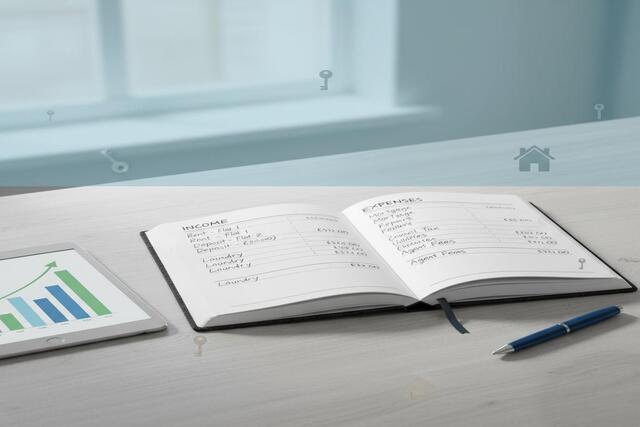
If you own one or more rental properties, you might think of rent as simple money coming in every month. Yet behind the scenes lies a detailed process of tracking income and expenses, ensuring compliance with tax laws, and understanding how each rental contributes to your overall financial picture. This is where rental income bookkeeping becomes more than just an administrative task. It becomes a powerful tool that helps you stay organised, compliant and financially savvy. In this article I explore what rental income bookkeeping really means, why it matters, and how landlords in the UK can benefit from adopting strong bookkeeping habits.
Why rental income bookkeeping is more than just note-taking
For many landlords, especially those new to managing properties, the idea of bookkeeping may seem dull or overly formal. You might think: “I receive rent and I pay bills, so I know my income and costs.” However, the difference between casual record-keeping and proper bookkeeping can be huge. Proper rental income bookkeeping means maintaining accurate, organised, and complete records of every financial transaction related to your rental properties. That includes rent received, deposit returns, service charges or additional tenant payments, maintenance and repair costs, insurance, utility bills (if you cover them), mortgage interest (if relevant), letting agent fees, cleaning or gardening costs, and any other expense associated with running a property.
This level of detail is important because the tax and legal environment for landlords in the UK demands precision. According to official guidance, landlords need to keep records of all rent received, any income from services to tenants, bank statements, invoices and receipts for expenses, and dates when a property was let. Having these organised records helps ensure compliance with regulations. Without such records you may miss out on allowable deductions or be unable to justify claims if queried by tax authorities.
Moreover, proper bookkeeping gives you a clear view of the performance of each property. It helps you spot which properties are profitable, which ones carry higher costs, and which may be underperforming. It also supports better financial planning. When you have an accurate picture of income and outgoing costs, you can budget for maintenance, forecast cash flow, and make informed decisions if you plan to expand your portfolio.
Finally, accurate bookkeeping offers legal protection. Should there be a dispute with a tenant or a tax authority enquiry, having clear documentation can be a landlord’s strongest defence.
What good rental bookkeeping looks like in practice
Good rental bookkeeping is systematic, consistent, and tailored to your properties. It begins with organising your financial documents. For each property, you should maintain a separate folder (digital or physical) that holds tenancy agreements, invoices, receipts, bank statements, rent books (if you operate weekly rents), records of additional tenant income, and a log of all expenses. Over time this builds a full financial history for each property.
Regular reconciliation is vital. That means periodically matching records in your ledger against your bank statements to ensure nothing is missing or incorrectly recorded. This step helps catch errors early, prevent double counting or missed expenses, and gives you confidence that your records reflect reality.
Using accounting or bookkeeping software can make the process far easier, especially if you own multiple properties or have a busy rental business. Modern accounting tools allow you to automate rent tracking, expense categorisation, and produce regular reports on property performance and cash flow. For landlords juggling several properties, such tools transform what could be a messy, time-consuming ledger into a clean, manageable system.
Running your bookkeeping alongside strategic financial thinking is also wise. For example, reviewing your accounts regularly helps you assess whether a property remains profitable after expenses, or whether rising repair or maintenance costs are eating into your rental returns. Such insights may guide decisions such as raising rent, investing in energy efficiency, or choosing whether to keep or sell a property.
The connection between rental bookkeeping and tax compliance in the UK
One of the most important reasons to maintain good rental income bookkeeping is compliance with UK tax rules. If your gross rental income from UK properties exceeds £1,000 in a tax year, you usually must report it through a self-assessment tax return. This applies to individual landlords or joint owners. Even if your income is below that threshold, detailed records are essential if you choose to claim allowable expenses, or if you wish to prove losses, deductions, or property-related costs.
Allowable expenses can cover a wide range of costs needed to run and maintain the property. These may include letting agent fees, maintenance and repair costs, insurance premiums, utility bills (if you cover them), cleaning and gardening costs, professional fees, and other property-specific costs. Evidence such as receipts, invoices and bank statements must be retained. Without proper records, claiming these expenses — and therefore reducing your taxable rental profit — becomes difficult.
Bookkeeping also supports compliance with evolving regulations. As legislation and tax rules change, accurate records ensure you remain on the right side of the law and ready to respond to any audits or compliance checks. From a legal standpoint, solid bookkeeping is not optional — it is fundamental.
How rental income bookkeeping supports financial clarity and long-term planning
Beyond compliance and tax reporting, rental income bookkeeping offers landlords clarity about the financial health of their property business. Well-kept books help you see exactly how much cash each property generates, what your net profit is after expenses, and how effectively you are managing costs.
This clarity is useful when you are evaluating whether to invest in additional properties, sell under-performing ones or reinvest in improvements. With accurate records, you can compare properties side by side, assess which generate good returns and which do not, and make decisions that align with your long-term goals.
In addition, good bookkeeping can assist with cash flow planning. Rental income can be unpredictable — tenants may miss payments, maintenance costs may come unexpectedly, or you may need to cover property-specific expenses. If you know your regular income and expenses reliably, you can set aside reserves for repairs or periods of vacancy, reducing financial stress and ensuring sustainable property ownership.
If you ever need financing to expand your portfolio, lenders often want to see rental history, income and expense records. Having organised financial documentation improves your credibility and can make loan or mortgage applications smoother.
Challenges landlords face without proper bookkeeping
When landlords neglect proper bookkeeping the consequences can be significant. Without clear records, you risk misreporting taxable income or missing allowable deductions. This could lead to paying higher taxes than necessary, or worse, facing penalties if questioned by the tax authority.
Poor bookkeeping also makes it hard to assess your property’s performance. You may overestimate profitability, fail to spot creeping maintenance costs, or miss trends such as rising tenant turnover. Without clarity you may continue investing in a property that is quietly draining your finances.
Additionally, unexpected costs like repairs, maintenance or periods without a tenant can hit harder if you lack cash flow visibility or haven’t planned ahead. Finally, if you try to sell a rental property, refinance or expand your portfolio, missing financial history can complicate valuations, mortgage approvals or tax calculations.
Practical advice for landlords starting rental income bookkeeping
If you are a landlord and booking has never been a priority, it is not too late to start. The first step is to gather all your documents — bank statements, rent receipts, invoices, tenancy agreements — and organise them by property. Even starting with a basic spreadsheet is better than nothing.
Next, commit to recording every transaction, however small. Always note the date, description, amount, and property related. This habit builds consistency and ensures nothing slips through the cracks. Over time you may find using dedicated accounting software more efficient, especially if your portfolio grows.
Every few months reconcile your records with your bank statements. This helps you spot missing entries, duplicate payments or errors before they snowball. At the end of each tax year prepare a summary of income and expenses for each property. That will make your self-assessment return — or your discussions with a professional accountant — much simpler.
Finally periodically review the financial performance of each property. Look at net profit, expenses, maintenance trends, and overall return on investment. If a property shows weak performance, consider whether to raise rent, invest in improvements or sell.
Why specialist rental bookkeeping matters for landlords with multiple properties or large portfolios
If you rent out more than one property or have a substantial portfolio, bookkeeping becomes far more complex. Sorting multiple bank accounts, tenants, maintenance costs, utilities, letting agent fees and other expenditures can quickly become overwhelming.
In such cases it may make sense to partner with a specialist property accountant. A specialist brings expertise in property-related tax law, experience in handling multiple properties, and knowledge of allowable expenses landlords often overlook. A property accountant can help with not just bookkeeping but also strategic tax planning, compliance guidance and financial reporting.
For landlords with growing portfolios, working with a professional helps you avoid mistakes, reduce your tax burden legally, and free up time to focus on property management or expansion rather than spending hours balancing the books.
Conclusion
Rental income bookkeeping is not a nice-to-have optional task. It is central to being a successful, responsible and financially savvy landlord. With clear, organised and accurate bookkeeping you can ensure you meet your legal obligations, reduce your tax liability, spot hidden costs, and make informed decisions about your property investments.
If you have just one rental property or many, whether you manage it yourself or with others, adopting good bookkeeping habits can transform your experience as a landlord. It is a small investment of time and discipline that pays off many times over in clarity, compliance, financial control and peace of mind.